
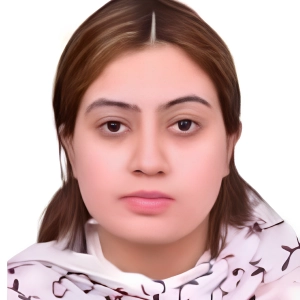
Mahra Younas
University of Health Sciences Lahore, PakistanPresentation Title:
Perfusion technology
Abstract
Cardiovascular perfusionists are integral members of the operating room team, working alongside cardiac surgeons, anesthesiologists, and other healthcare professionals to ensure the success of complex heart surgeries. Their primary function is to operate the heart-lung machine, which takes over the functions of the heart and lungs during surgery. This allows the surgeon to work on a bloodless field, providing optimal conditions for procedures such as grafting on a diseased heart. In addition to providing a bloodless field, myocardial perfusion presents a significant challenge for the perfusionist. During coronary artery bypass surgery (CABG), myocardial perfusion, also known as a nuclear stress test, is performed to assess blood flow through the heart muscle and evaluate how well it is pumping. Ensuring that the heart muscle is adequately perfused is critical for the success of the procedure and for the long-term recovery of the patient. An equally important role of the perfusionist is maintaining perfusion to the vital organs during surgery. These organs, including the brain, lungs, and kidneys, rely on a steady supply of oxygenated blood to function properly. The perfusionist must ensure that these organs are receiving sufficient blood flow while the heart is temporarily bypassed. In addition to maintaining blood flow, the perfusionist is also responsible for regulating the patient's body temperature. Temperature control is crucial, particularly in more complex surgeries like aortic root replacement, where deep hypothermic circulatory arrest may be required. This technique helps protect the organs by lowering the body temperature, reducing metabolic demand, and allowing surgeons to perform critical repairs. In summary, cardiovascular perfusionists play a vital role in ensuring the safety and success of heart surgeries by managing myocardial perfusion, organ perfusion, and temperature regulation. Retrograde cerebral perfusion is a crucial procedure in long and complex cases. ECMO is a remarkable advancement in perfusion technology today.
Biography
Mahra Younas is a highly skilled and dedicated perfusionist with a strong academic and professional background. She completed her BS (Hons) in Perfusion Sciences at the age of 23 from the University of Health Sciences, Pakistan. Throughout her academic career, she consistently excelled, earning recognition as the top performer in the province of Punjab. Her passion for perfusion technology led her to gain hands-on experience at Aga Khan International Hospital, where she worked alongside leading medical professionals. She further enhanced her expertise by becoming an ECMO-certified perfusionist, demonstrating her commitment to advanced perfusion techniques and patient care. With four years of experience as a perfusionist at the Government Hospital, Faisalabad Institute of Cardiology, she has played a vital role in numerous complex cardiac procedures. Her proficiency in extracorporeal circulation and life-support systems has contributed to improving patient outcomes in critical care settings. Mahra continues to expand her knowledge and skills in perfusion technology, staying updated with the latest advancements in the field. Her dedication, expertise, and commitment to excellence make her an asset to the medical community, and she remains passionate about enhancing cardiovascular care through innovative perfusion techniques.

Organization Location
1309 Coffeen Avenue, STE 1200, Sheridan, Wyoming 82801, USA
General Enquiry
contact@scientexconferences.com
Finance Enquiry
finance@scientexconferences.com
Call us at
USA : (+1) 929 224 5068